Could a stem cell donor be linked to a crime through DNA?

daniel-von-appen-WW-4bspunFY-unsplash
Photo by Daniel von Appen on Unsplash

It’s one of those questions that always comes up eventually.

Someone hears that stem cell donors and recipients can share DNA after a transplant, and their brain jumps straight to crime shows. If the recipient commits a crime, could the donor’s DNA show up? Could the donor get pulled into something they had nothing to do with? They are fair questions.

The short answer: No. This is extremely unlikely, and it’s not something donors need to worry about.

But the science behind why the question exists is actually pretty fascinating.
Why donor DNA shows up at all

A stem cell transplant doesn’t just give someone a boost. It rebuilds their blood and immune system.

The donated stem cells settle into the recipient’s bone marrow and start producing new blood system cells.  Those new blood and immune cells carry the donor’s DNA, but the rest of the body is different – all other cells will still carry the recipient’s original DNA.

Effectively the recipient becomes a “chimera”, because one part of them – the blood cells made by their stem cell transplant – has DNA that is different from the DNA in every other body cell.

So where does the crime question come from?

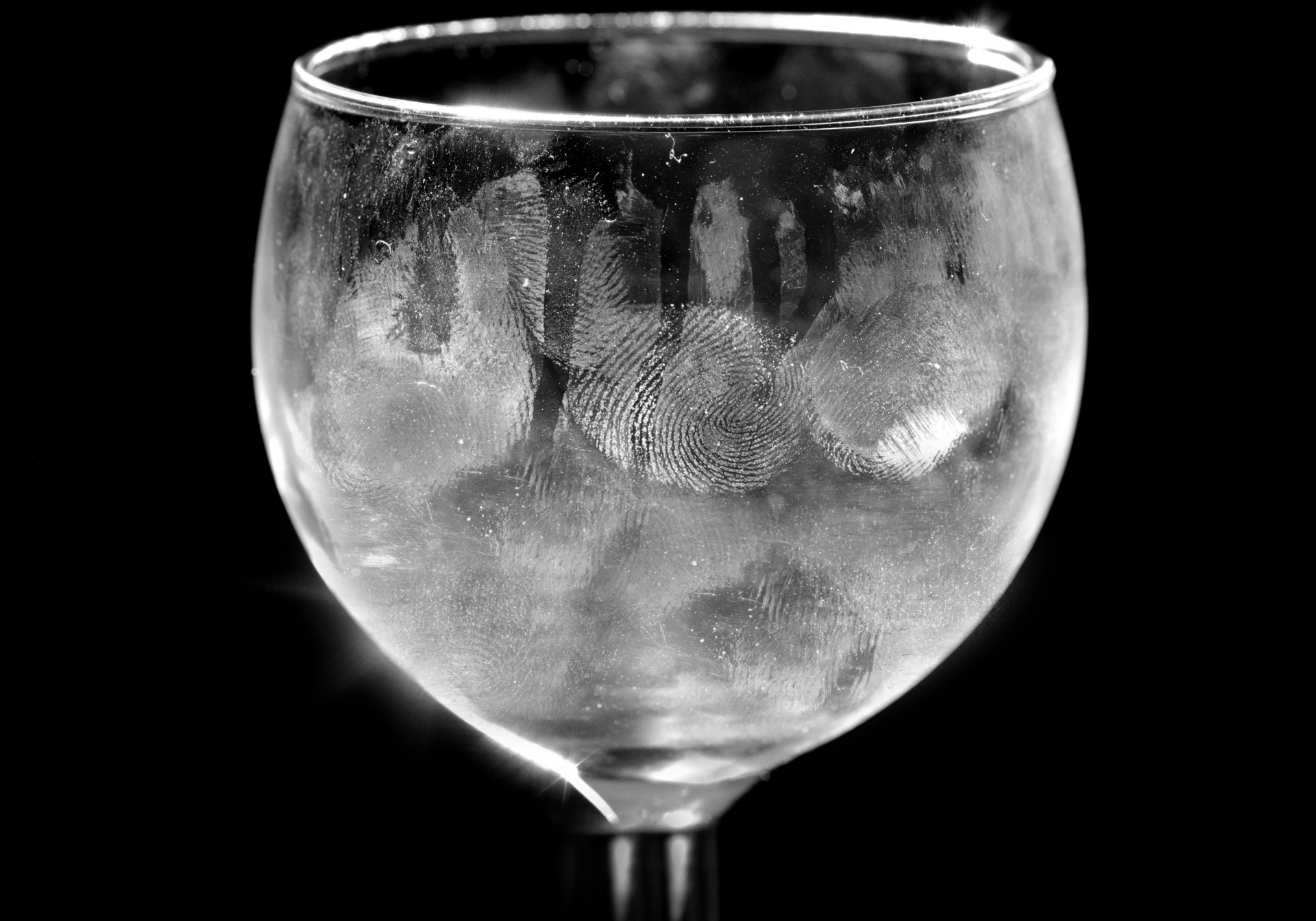
DNA testing in criminal investigations depends on what kind of biological material is found. In theory, if someone who has had a stem cell transplant left their blood at a crime scene, that blood could carry donor DNA instead of their own. That’s the part that sounds alarming.

But here’s the context that matters:

  1. Stem cell transplants are rare at a population level.
  2. This scenario only applies to blood-based DNA evidence – not hair, skin, or any forensic sample that does not contain blood cells.
  3. Forensic scientists are aware of this edge case and know how to interpret DNA results carefully when medical history is involved.

There have been a handful of unusual cases worldwide in which this caused momentary confusion, but they are exceptional. This is forensic trivia, not a real-world risk.

And importantly, DNA information collected during donor registration and donation is only used for medical matching and care. It is never shared with law enforcement or anyone else without consent.

immo-wegmann-FPee-rYJ5mg-unsplash
Photo by Immo Wegmann on Unsplash

The part crime shows never mention

While the crime show version is entertaining, the more meaningful reality is this: a stem cell transplant can create a genuine biological connection between two people who may never meet.

The recipient’s blood and immune system can be built from the donor’s cells. That’s not symbolic. That’s literal.

Some people describe it as being “connected by blood” for life. Not identical twins, not clones, just two people linked by an extraordinary act of medicine and generosity.

If you’re thinking about joining the registry and this question crossed your mind, you’re not alone. It’s okay to be curious. It’s okay to ask the strange questions. And it’s okay to know that the reality is far less dramatic than TV, and far more human.

If you’ve got other questions about donation, we’re always happy to talk them through.