A life put on hold, and the stranger who helped restart it
It started with a lump.
Nothing dramatic. Nothing painful. Just something that didn’t feel quite right, noticed while travelling overseas during a gap year. A friend suggested getting it checked. So he did.
That moment, quiet, almost forgettable, became the beginning of a long and unpredictable stretch of life where time seemed to stall, restart, and stall again.
Now 30 and living in Melbourne, Tom was diagnosed with cancer in his early twenties. What followed was not a straight line from diagnosis to recovery, but a cycle of treatment, remission, relapse, and waiting. A process measured less by milestones than by uncertainty.
Living in the in between
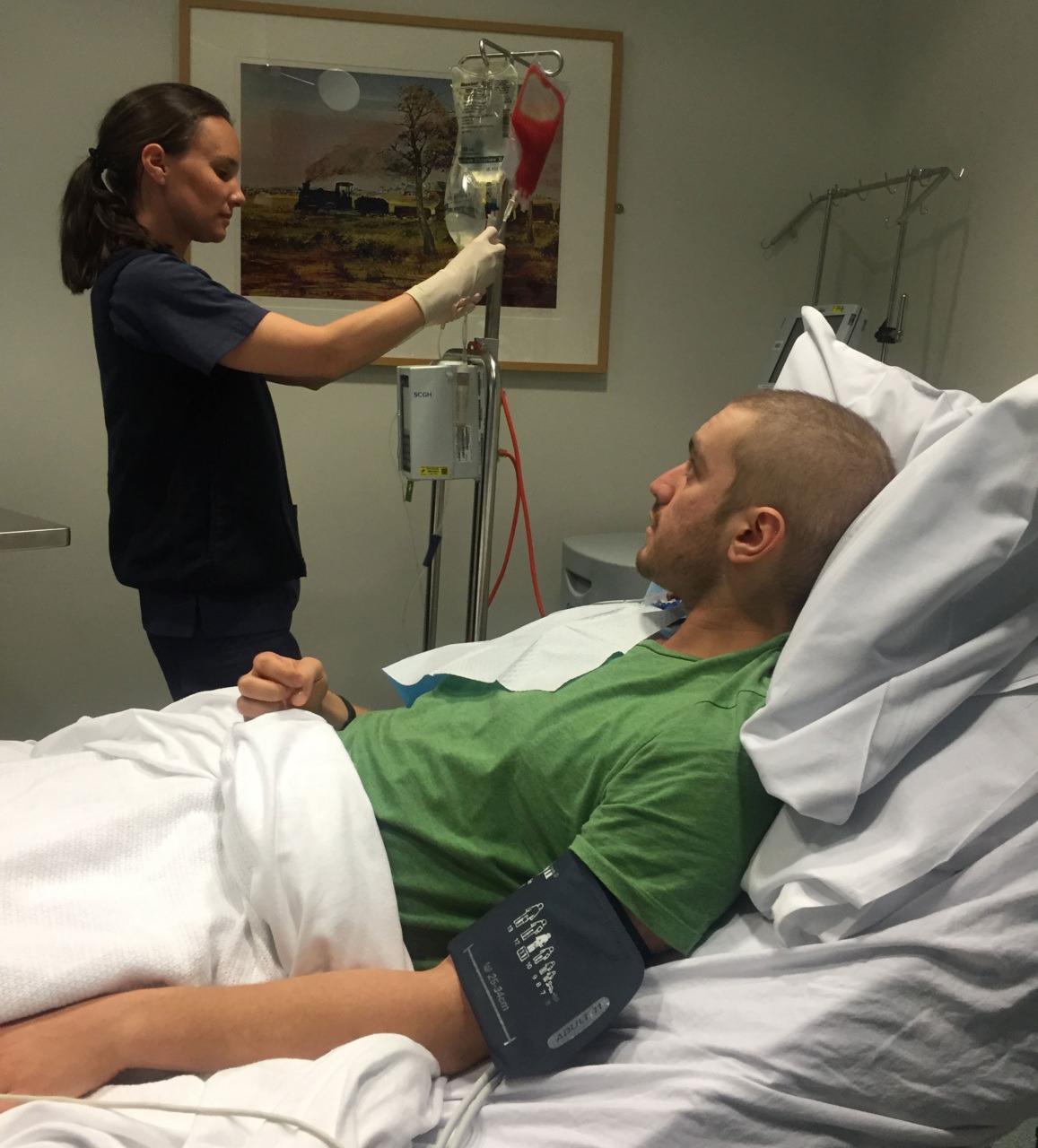
After his diagnosis in 2013, Tom underwent chemotherapy and radiation. A year later, he was in remission. Life resumed, cautiously. Then came a relapse. More treatment, including an autologous transplant. Another remission.
By the time doctors began talking about a stem cell transplant from an anonymous donor, the pattern was familiar, but no easier to hear.
“I felt pretty numb,” Tom recalls. “The sinking feeling of being told I’d relapsed again was familiar, but no less disappointing.”
When the transplant was raised as the next step, the information itself was hard to absorb. Tom describes feeling disconnected in those moments, relying on family to listen, ask questions, and remember details on his behalf.
“I felt like a passenger in my own body,” he says. “It never felt real receiving the news.”
Medical appointments became focused, forward looking conversations, always centred on what came next, who could help, and how to stay positioned for the next stage.
Searching for something you can’t see
Like many patients, Tom had never heard of the stem cell donor registry before he needed it. He didn’t know how unrelated donors were found, or what the process involved. Instead, he filled the gaps the only way he could, reading, researching, and searching online late at night.
When doctors confirmed a donor match had been found, relief was mixed with worry. The match wasn’t perfect, a 7/8 match from an unrelated donor, and Tom remembers fixating on whether that would be enough. “In hindsight, I’m just grateful I got a match,” he says.
All he was told about his donor was that they were young, living in Germany, and that they’d recently gotten an ear piercing. A small detail, offered almost as an aside, but one that stayed with him. Proof that somewhere, someone else’s ordinary life had intersected with his own.
Feeling separate from the world
Treatment was physically demanding, but the hardest part wasn’t always medical.
“I always felt like I was missing out on something,” Tom says. “Like life was on hold.”
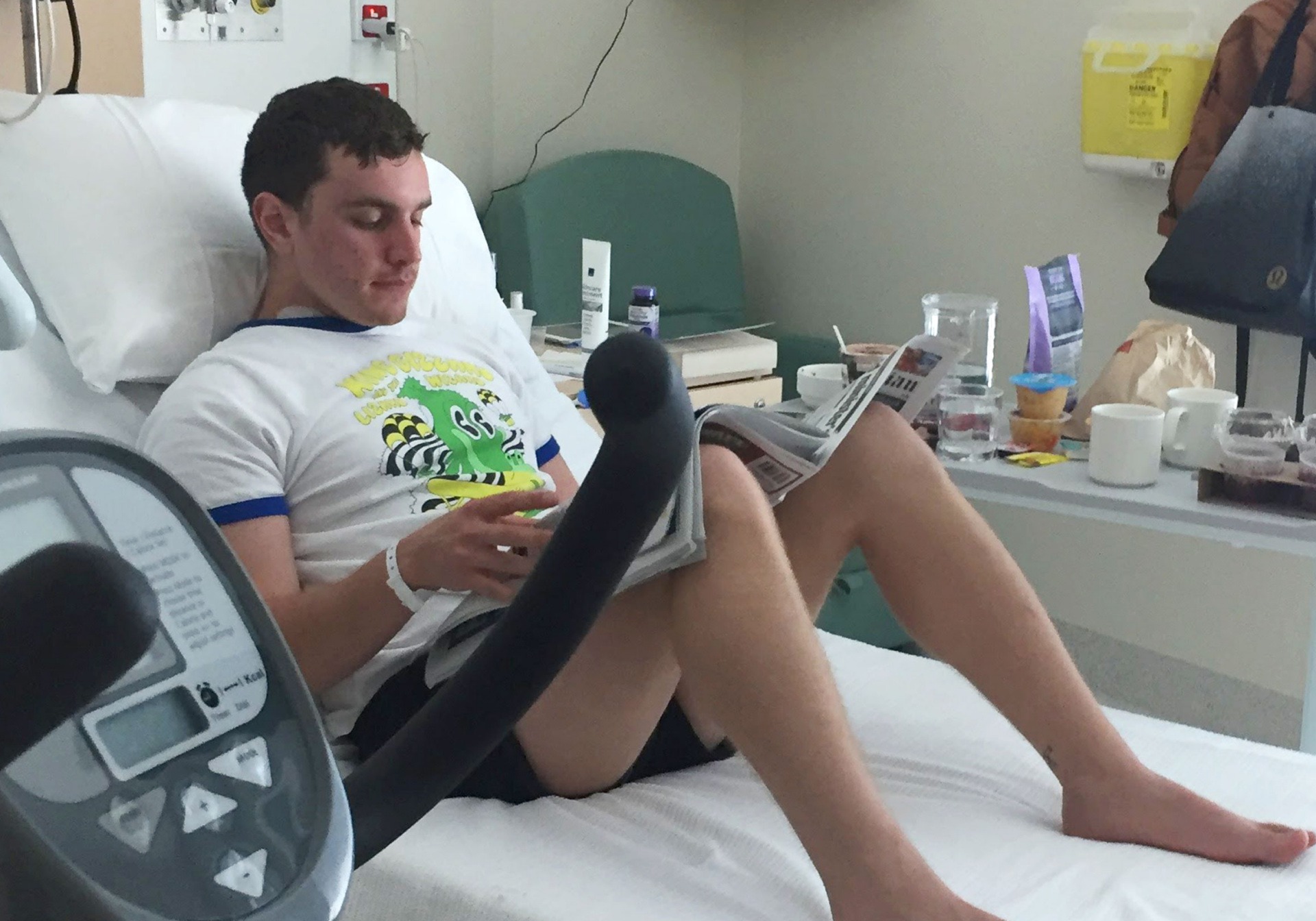
Friends continued on with their careers, relationships, travel, while Tom’s world narrowed to hospital rooms, recovery periods, and waiting. Even when people tried to include him, he felt slightly removed, a step behind the life he expected to be living at that age.
That sense of separation lingered long after treatment ended.
What comes after
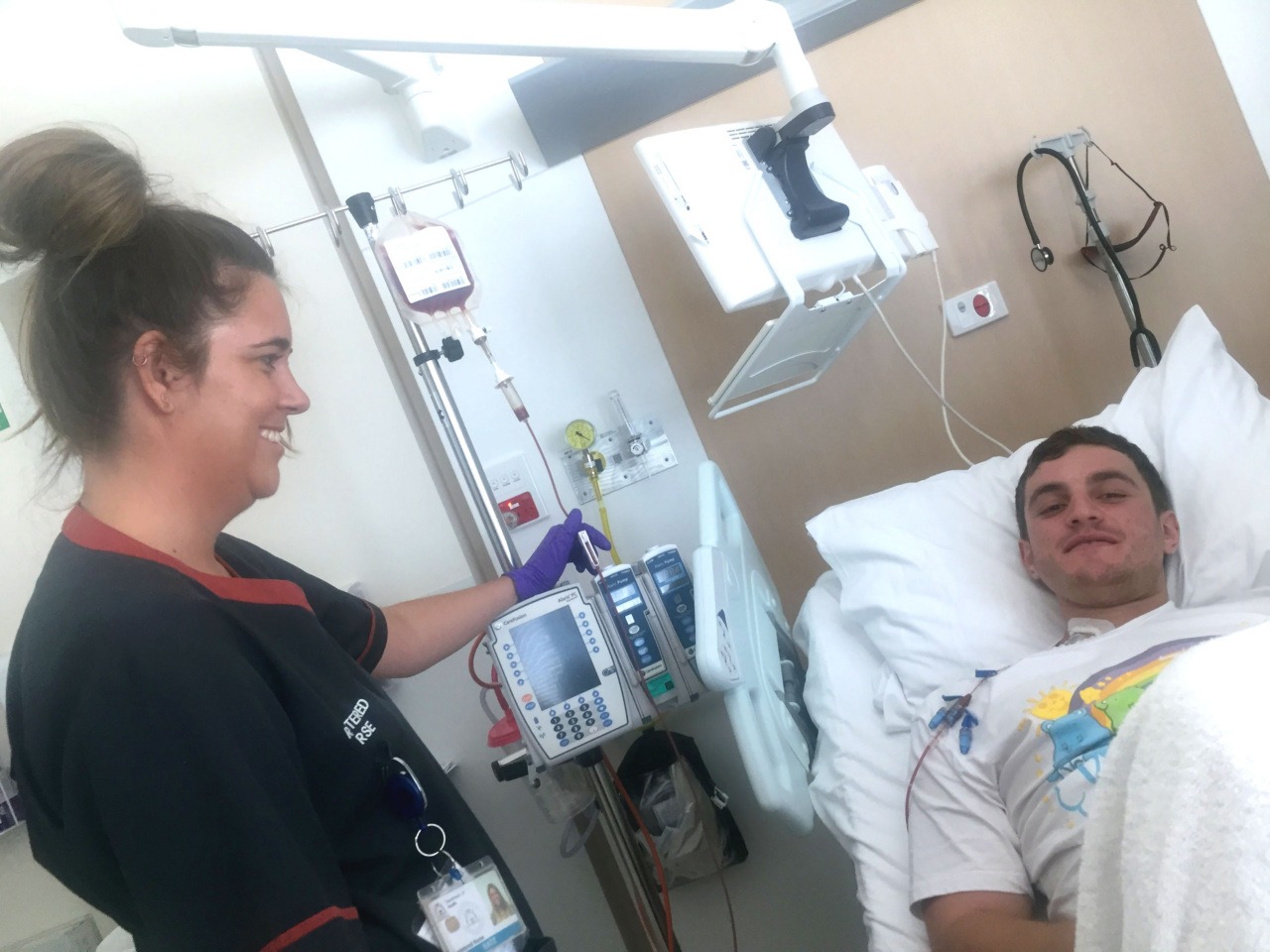
Tom received his allogeneic stem cell transplant in 2017. Recovery took time, patience, and adjustment, not just physically, but mentally.
The experience has shaped how he lives now. He exercises regularly. He tries not to “sweat the small things”. And while that outlook doesn’t come automatically, it’s one he consciously works toward.
“I think the entire experience of having cancer changed my outlook and philosophy of life,” he says. “Probably for the better.”
Nine years on, Tom describes the life he’s lived since as full, not because cancer was part of it, but because of what followed.
A message for future donors
Tom is clear about what made that life possible.
“Without people on the registry, I wouldn’t have been able to have lived such an extraordinary, beautiful and happy nine years,” he says. “And I’m still going!”
He remains deeply grateful to his donor, a stranger whose decision created an outcome neither of them could have predicted, and to the healthcare workers who supported him through every stage.
For anyone considering joining the registry, his message is simple: “Please, join if you can.”
Join the registry